
In recent years, the focus on mental health in Australian children has grown significantly, reflecting a deeper understanding of child psychology and emotional wellbeing. With an estimated 14% of children aged 4 to 11 experiencing a mental disorder in 2013–14, the need for robust support services and community involvement has never been clearer. Mental health challenges in young Australians are influenced not only by individual factors but are deeply intertwined with family dynamics, socioeconomic status, and early development environments. These insights have driven the establishment of comprehensive strategies aimed at fostering resilience, facilitating early intervention, and enhancing mental health education for children across the country.
Efforts to bridge gaps in mental health access emphasize the role of schools, healthcare providers, and family support systems in offering timely and appropriate assistance. Innovative programs such as Be You provide educators with crucial resources to support children’s wellbeing, while the evolving National Children’s Mental Health and Wellbeing Strategy offers a coordinated framework to address mental health challenges from infancy through adolescence. These initiatives recognize the powerful impact of early intervention on child development and long-term mental health outcomes. Furthermore, the engagement of community support and digital platforms has enabled greater reach and adaptability in fostering emotional wellbeing among Australian children.
Understanding the Prevalence and Types of Mental Health Disorders in Australian Children
In Australia, mental health disorders among children aged 4 to 11 are a significant concern. According to the 2013–14 Young Minds Matter Survey, nearly 314,000 children, roughly 14% of this age group, experienced a diagnosable mental health disorder during the year preceding the survey. Boys were disproportionately affected compared to girls, with prevalence rates of 17% versus 11%, respectively. This gender disparity is particularly notable in disorders such as Attention Deficit Hyperactivity Disorder (ADHD), which was the most common condition identified with an overall prevalence of 8.2% and a higher incidence in boys—11%.
Anxiety disorders ranked as the second most common mental health issue among children, affecting approximately 6.9%. This category includes a range of disorders such as separation anxiety and generalized anxiety disorder, which impact children’s daily functioning and emotional wellbeing. Intriguingly, anxiety disorders were more prevalent among girls (6.1%) than boys, underscoring variances in emotional expression and vulnerability between genders. Additionally, less frequent but impactful disorders, including conduct disorders and depressive disorders, contribute to the overall mental health burden among Australian children.
Mental health in children manifests through abnormal thoughts, emotions, behaviors, or relationships, which can disrupt their ability to engage productively both at home and in educational settings. These conditions vary in severity; almost three-quarters of affected children experienced mild symptoms, while around 8% faced severe mental health challenges. The chronicity and episodic nature of many disorders highlight the need for continuous monitoring and tailored interventions to mitigate lifelong impacts.
Understanding the types and prevalence of mental disorders in children informs targeted approaches in clinical diagnosis, school-based supports, and family interventions. For example, ADHD’s prominence, especially among boys, underscores the importance of child development assessments in educational contexts to devise strategies facilitating attention and behavioral regulation. Conversely, for anxiety-related disorders that impact girls more significantly, emotional support and coping mechanisms focused on resilience-building are essential components of mental health education initiatives.
The Role of Emotional Wellbeing and Secure Attachment in Child Development
Mental health extends beyond the absence of disorders; it encompasses the emotional wellbeing of children, enabling them to cope with everyday stresses, develop healthy relationships, and achieve their potential. Secure attachment with caregivers is foundational in this domain and serves as a crucial protective factor against anxiety and other emotional difficulties. Australian mental health experts emphasize that a nurturing, responsive caregiving environment supports children’s resilience, social competence, and capacity to handle stress.
Emotional wellbeing in early childhood sets the stage for acquiring vital life skills. Children nurtured in stable environments where caregivers are attentively responsive tend to have better social and emotional outcomes. These secure attachments foster neural development pathways associated with emotional regulation, enabling children to better manage fears, frustrations, and social challenges. On the other hand, insecure attachment patterns, often linked with family disruption or socio-economic adversity, can predispose children to mental health conditions, including mood disorders and behavioral problems.
Families experiencing financial strain, housing instability, or separation issues often see a higher incidence of mental health disorders in children. The correlation between family function and child mental health is well documented. Children in households with two parents or carers who maintain strong, healthy relationships are less likely to experience mental health issues. In contrast, those living in blended or single-parent families, particularly where family functioning is poor, report higher rates of emotional and behavioral disorders. These insights underline the necessity for holistic support systems that not only focus on the child’s individual needs but include family and community dynamics.
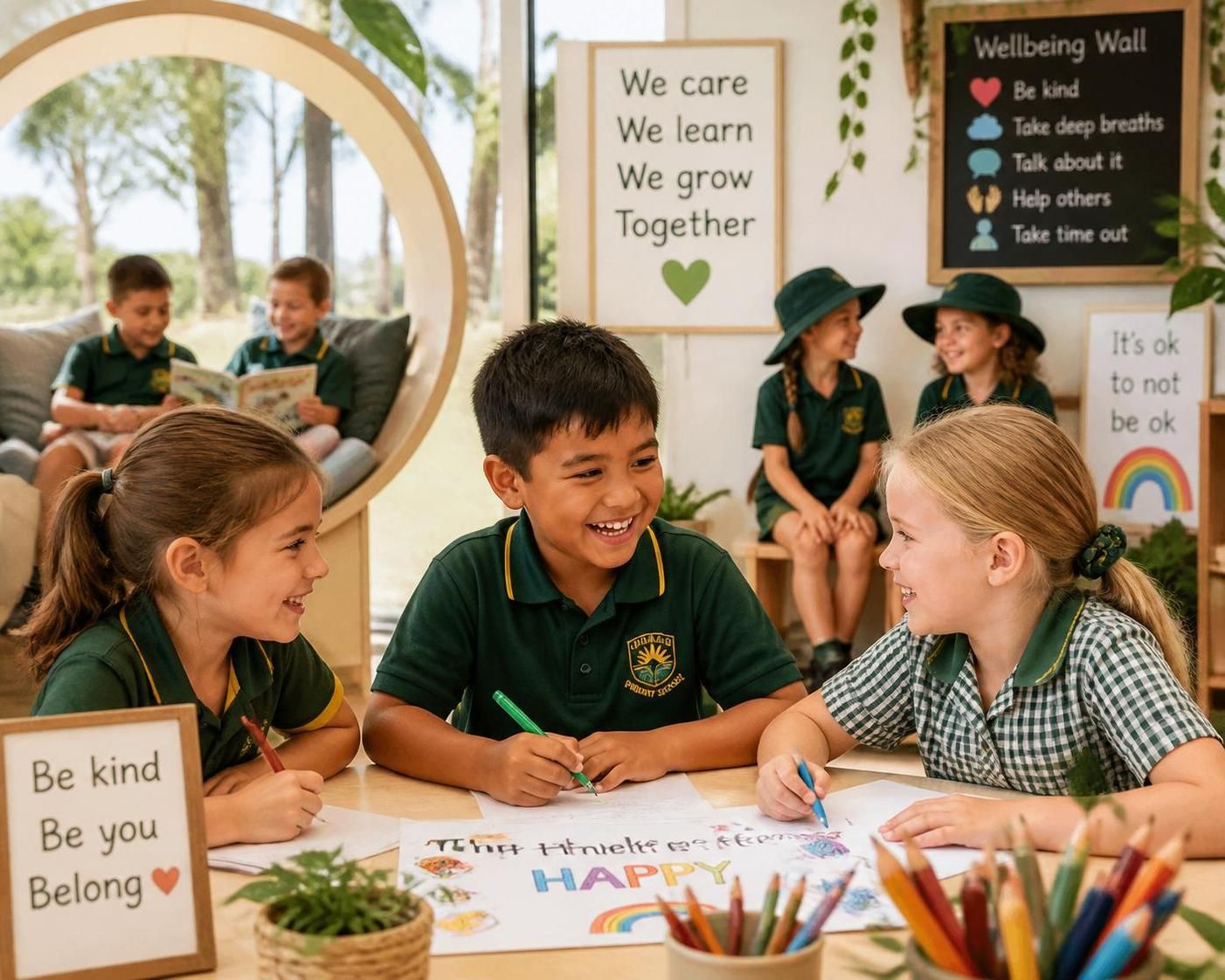
Early Intervention and Prevention: Key Drivers of Positive Mental Health Outcomes
Early intervention remains a cornerstone in the support of mental health in Australian children. Evidence consistently shows that mental health problems arising in childhood or adolescence often predict challenges in adulthood. As such, directing resources towards prevention and prompt treatment is critical in altering life trajectories. Australian healthcare frameworks prioritize early detection and management to curb the onset or severity of mental illnesses, ensuring children receive care before conditions worsen.
Innovative programs such as the National Children’s Mental Health and Wellbeing Strategy provide structured approaches to preventing mental illness. This strategy emphasizes coordinated care among health professionals, educators, and families to create supportive environments proactively. Different approaches are required for infants and young children compared to adolescents, recognizing the importance of developmentally tailored interventions. Integrating mental health education into schools, as advocated by programs like Be You, equips teachers with skills to identify early warning signs and implement supportive strategies effectively.
Early intervention also involves ensuring accessibility to diverse support services. These span from physical health providers, such as general practitioners and paediatricians, to psychological counseling and school-based wellness programs. In 2013–14, close to half of children diagnosed with a mental disorder accessed some form of professional help for emotional or behavioral problems. Higher service usage correlated with the severity of the disorder, indicating that more intensive needs prompt greater help-seeking behaviors.
Supporting families through parental education and community programs is another preventive measure highlighted in national initiatives. Parents face pressures that influence their children’s mental wellbeing—financial instability and housing insecurity impact parental capacity to nurture resilient children. Recognizing this, Australian policies encourage parental support mechanisms and community outreach to create environments where children are more likely to thrive emotionally and psychologically.
School-Based Mental Health Education and Support Services
Schools increasingly provide a universal platform to foster mental health among children. Given that many children with mental health conditions do not receive professional treatment, the education sector plays a pivotal role. Australian schools have made strides in incorporating mental health education into the curriculum and providing counseling and group support services on-site.
The Be You initiative exemplifies national efforts to equip educators with knowledge, resources, and mental health promotion strategies. Through training workshops and resource distribution, the program enhances teachers’ ability to support emotional wellbeing and spot early signs of distress or disorders. Individual counseling, group therapy, and special education settings specifically tailored for children with behavioral challenges are among the school services offering direct mental health support.
The impact of mental disorders on schooling is notable. Children with major depressive disorders, for instance, were reported to miss an average of 14 school days annually due to symptoms, while those with anxiety and ADHD missed fewer days but still experienced schooling disruptions. Mental health difficulties can also affect academic performance, with lower average NAPLAN scores among children diagnosed with mental disorders compared to their peers. Addressing these challenges within classrooms and through school policies helps reduce educational disparities linked to mental health issues.
Community Support and Online Platforms: Expanding Access and Awareness
Community involvement is instrumental in advancing mental health for Australian children. Public health campaigns, local parenting groups, and community centers provide resources and support networks fostering emotional wellbeing. These forums encourage parental engagement and increase awareness about child development and mental health education.
Digital technology has also enhanced the reach of support services. Australia’s mental health landscape includes numerous online platforms offering counseling, information, and self-help resources targeted at children and families. Emerging Minds, for example, delivers free online courses and programs designed to improve child and adolescent mental health literacy. These resources bridge geographical barriers, ensuring access for families in rural and remote regions alongside urban centers.
Telephone counseling and helplines supplement these services, although utilization among younger children remains limited—a factor partially attributed to parental unfamiliarity with available options. Hence, community education efforts continuously strive to improve visibility and ease of access. Online mental health education also assists in combating stigma associated with mental illness, encouraging families to seek help early.
Integrating community support with clinical and educational interventions creates a comprehensive ecosystem centered on child mental health. This holistic approach aligns with recommendations from the National Children’s Mental Health and Wellbeing Strategy, which advocates collaboration across healthcare, education, social services, and families to optimize outcomes.
Impact of Socioeconomic and Family Factors on Child Mental Health
The mental health of Australian children does not develop in isolation but is deeply affected by socioeconomic and family circumstances. Data indicates that children from families in the lowest socioeconomic brackets experience mental disorders at nearly twice the rate (19%) of those in highest brackets (12%). Social determinants such as income, educational attainment of parents, and household stability correlate strongly with mental health outcomes.
Children living in public housing or single-parent households, for example, show higher vulnerability to emotional and behavioral disorders. Such environments may contribute to elevated stress levels for both children and caregivers, impairing emotional wellbeing and resilience. Studies associate financial stress and housing instability among parents with increased risks of mental health issues in their children, emphasizing the necessity for holistic family-centered interventions.
The interaction between family functioning and mental health is equally critical. Families with high levels of dysfunction—characterized by conflict, poor communication, or lack of nurturing—report mental disorder rates as high as 34% in children. Conversely, families displaying very good functioning see rates as low as 11%. These findings affirm the pivotal role of supportive family relationships in buffering against mental health challenges.
| Family Type | Prevalence of Mental Illness (%) | Impact on Child’s Emotional Wellbeing |
|---|---|---|
| Two-parent families | 12 | Lower risk due to stable, supportive environment |
| Single-parent families | 22 | Higher stress levels, potential for economic hardship |
| Blended families | 21 | Complex family dynamics, adjustment challenges |
| Families with poor functioning | 34 | Increased risk of emotional and behavioral disorders |
| Families with very good functioning | 11 | Protective factors promoting emotional resilience |
Addressing Disparities through Policy and Community Initiatives
To reduce inequities in child mental health, Australian governments and community organizations invest in targeted programs that address the social determinants of health. These include policies improving housing stability, increasing access to education and parental support, and providing financial assistance to disadvantaged families. Enhanced community support groups especially cater to vulnerable populations to nurture resilience and promote positive developmental trajectories.
Initiatives such as parental support programs prove essential in reducing childhood mental health disparities. For example, evidence from the Australian Institute of Family Studies highlights that children whose parents received financial or emotional support demonstrated better emotional outcomes and coping skills. Providing accessible parenting resources and effective mental health education contributes significantly to fostering a community environment where children’s mental health is prioritized and protected.
Evidence-Based Clinical Services and Innovations in Child Mental Health Care
Australia’s child and adolescent mental health services have evolved to incorporate evidence-based practices and innovative care delivery models. Historically rooted in child guidance clinics, the system now integrates modern interventions alongside policies such as the National Disability Insurance Scheme (NDIS), enhancing access for children with complex needs.
Children diagnosed with mental disorders can access a broad spectrum of services including general practitioners, paediatricians, psychologists, and school counselors. For severe or persistent conditions, specialized mental health services offering multidisciplinary care are increasingly available. The integration of telehealth services has expanded reach, allowing children in regional and remote areas to receive timely care without extensive travel.
Outcomes from these services reveal that children with major depressive disorder, conduct disorder, anxiety disorders, and ADHD benefit from tailored treatment plans that address behavioral symptoms and emotional wellbeing simultaneously. Service use statistics from the Young Minds Matter Survey indicate increased engagement with mental health services over the past decades, demonstrating growing acceptance and awareness of mental health issues.
Continuing to innovate and tailor clinical practices to meet the diverse needs of Australian children is critical. The Australian mental health sector must remain committed to reducing stigma, promoting early intervention, and fostering cross-sector collaborations that include education, health, and social services.
National Strategies and Future Directions in Supporting Mental Health for Australian Children
Looking forward, the National Children’s Mental Health and Wellbeing Strategy anchors Australia’s commitment to a comprehensive and consistent mental health system for children. It focuses on prevention, early intervention, and inclusive support to ensure all children, their families, and communities can thrive. This policy framework aligns with the latest research and highlights developmentally appropriate services tailored to infants, children, and adolescents.
The strategy’s vision includes strengthening family support, access to care, and embedding mental health education into mainstream environments such as schools and community centers. It is complemented by intergovernmental cooperation, ensuring that services are synchronized across Commonwealth and state sectors. The ongoing collection and analysis of data, including contributions from studies like the Intergenerational Health and Mental Health Study, improve mental health planning at local, regional, and national levels.
Additional emphasis on building resilience and coping skills in children through educational curricula and public health campaigns reflects an evolution from treatment-focused models to holistic wellbeing. Engaging families, educators, and community stakeholders in mental health literacy initiatives will further demystify mental illness and promote proactive emotional wellbeing support.
As Australia enters the mid-2020s, the commitment to nurturing mental health in children remains central to public health priorities. The integration of technology, multidisciplinary care, and societal engagement promises a brighter future where every child can grow in a healthy and supportive environment.
Practical Tips for Parents and Caregivers to Support Child Mental Health
Parents and caregivers play a pivotal role in fostering mental health resilience in children. Supporting emotional wellbeing requires consistent nurturing, positive communication, and awareness of the child’s psychological needs. Here are some practical tips that can help create a supportive environment for Australian children:
- Establish Secure Attachments: Spend quality time with your child, respond sensitively to their needs, and provide stable routines.
- Encourage Open Communication: Create a safe space for children to express feelings and concerns without judgment.
- Promote Physical Activity and Healthy Eating: Regular exercise and nutritious diets support overall wellbeing and reduce stress.
- Monitor Screen Time and Online Activity: Balance digital exposure with offline interactions to safeguard emotional health.
- Seek Professional Help Early: If you notice behavioral changes or mood shifts, consult healthcare providers promptly.
- Involve Schools and Community: Engage with teachers and community programs to reinforce mental health support beyond the home.
- Access Parental Support Services: Utilize available resources such as those highlighted by parenting support initiatives to enhance caregiving skills and reduce stress.
- Build Resilience through Play and Learning: Encourage exploration, social interaction, and creative activities that bolster emotional strength.
Understanding the Effects of COVID-19 and Other Crises on Children’s Mental Health
The COVID-19 pandemic has had profound effects on the emotional wellbeing of Australian children, exacerbating existing mental health challenges and revealing systemic vulnerabilities. Prolonged lockdowns, remote schooling, and social isolation have disrupted normal routines, affecting social development and increasing anxiety and depression rates in young people.
Furthermore, natural disasters such as bushfires have added layers of trauma and stress for many families. Mental health responses now encompass trauma-informed care and community resilience programs designed specifically for disaster-affected children. Educational resources developed to help children cope with these crises have been pivotal in maintaining emotional stability.
Ongoing research and data collection post-pandemic continue to inform interventions and policy adjustments to support recovery and build robust mental health frameworks able to withstand future challenges. This ensures that strategies remain adaptable to emerging needs, focusing on maintaining continuity in child development and wellbeing despite external stressors.
Holistic recovery models emphasize collaboration among mental health professionals, educators, parents, and community leaders to create safe, supportive environments for children. Awareness campaigns and support networks promoting resilience are critical components of this collective effort to sustain psychological health in the face of uncertainty and change.
Mental Health Awareness and Education: Cultivating a Supportive Culture for Children
Embedding mental health education within Australian communities plays an instrumental role in destigmatizing mental illness and promoting emotional wellbeing. Schools, healthcare providers, and community organizations increasingly collaborate to provide mental health literacy programs that reach children, families, and educators.
These educational efforts highlight early signs of mental health difficulties, teaching coping strategies and resilience skills through age-appropriate curricula and workshops. Mental health awareness campaigns raise consciousness about the importance of emotional wellbeing and encourage help-seeking behaviors, reducing stigma and fostering inclusive environments.
Programs such as Be You equip schools with the capability to implement sustained mental health education, ensuring children learn to navigate their emotions and relationships positively. Through ongoing professional development for educators and engagement with families, these initiatives cultivate understanding and compassion, which are essential to supportive child development.
Community support groups, parenting workshops, and online resources complement formal education, enhancing widespread awareness. Encouraging dialogue about mental health from a young age builds a culture where children feel valued and understood, setting the foundation for lifelong emotional health.
What are the most common mental health disorders in Australian children?
The most common mental health disorders among Australian children aged 4 to 11 include Attention Deficit Hyperactivity Disorder (ADHD), affecting about 8.2%, and anxiety disorders, which affect around 6.9%. Boys tend to have higher rates of ADHD, while anxiety disorders are more prevalent among girls.
How can early intervention improve mental health outcomes in children?
Early intervention allows for timely identification and treatment of mental health issues, reducing severity and risk of chronic mental illness in adulthood. Programs focusing on prevention and support within families and schools enhance resilience and coping skills, leading to better overall development and wellbeing.
What role do schools play in supporting children’s mental health?
Schools serve as universal platforms providing mental health education, counseling, and support services. Initiatives like Be You empower educators to recognize mental health challenges and implement strategies that promote emotional wellbeing, improving school attendance and academic performance.
How do socioeconomic factors impact children’s mental health?
Children living in lower socioeconomic conditions experience higher rates of mental health disorders due to factors like financial stress, housing instability, and reduced access to healthcare. Addressing these disparities requires comprehensive policies supporting families and communities.
Where can parents find resources to support their child’s mental health?
Parents can access a variety of resources through health services, community programs, and online platforms such as Emerging Minds. Additionally, parenting support services provide guidance on fostering emotional wellbeing, managing stress, and seeking professional help when necessary.