Australia’s diverse landscapes offer an exceptional canvas for family exploration, striking a balance between fun outdoor activities and enriching wildlife education. With its iconic animals and breathtaking ecosystems, this vast country invites kids to engage directly with nature and wildlife in ways that fuel curiosity and foster lifelong appreciation. From stunning beaches to lush forests and expansive deserts, few places on Earth provide such immersive encounters with creatures unique to their habitats. Family adventures here promise not only memorable sightings but meaningful connections with nature’s wonders that inspire children’s learning and awaken their stewardship of the environment.
Whether it’s the thrill of spotting a kangaroo in the wild, the joy of watching little penguins waddle home, or the excitement of snorkeling alongside whale sharks, each experience enhances kids’ understanding of Australia’s rich biodiversity. These moments shape not just thrilling memories, but also foundational knowledge and empathy essential for thoughtful environmental engagement. As families traverse national parks, coastal reserves, and remote wilderness, they participate in a dynamic outdoor classroom where every nature walk reveals stories of survival, adaptation, and interspecies relationships. This unique blend of exploration and education showcases Australian wildlife as an invaluable resource for kids learning about the natural world.
For parents eager to intertwine entertainment with ecological awareness, Australia provides myriad opportunities through eco tourism initiatives carefully designed to respect and conserve native species. Participating in guided tours, wildlife conservation programs, or visits to sanctuaries enriches family adventures by adding layers of education and discovery. This approach nurtures children’s natural inquisitiveness and reinforces the importance of protecting fragile ecosystems. Exploring Australian wildlife with kids is thus much more than outdoor recreation; it is a gateway to cultivating respect, knowledge, and wonder in the next generation of environmental guardians.
In brief, here are the key takeaways for families eager to dive into Australia’s wildlife:
- Unique fauna encounters: Opportunities to see animals that exist only in Australia, like koalas, wombats, and whale sharks.
- Engaging and accessible wildlife experiences: From reef snorkelling to guided nature walks, activities suit children of all ages.
- Places fostering education and conservation: National parks and sanctuaries combine fun with learning about wildlife protection.
- Connection to Indigenous culture: Some wildlife areas also provide insights into Indigenous heritage and environmental stewardship.
- Family-friendly eco tourism: Responsible tours and activities promote sustainable exploration tailored for kids.
These elements together offer families an enriching tapestry of wildlife exploration perfectly matched to kids’ curiosity and capacity for outdoor wonder.
Discovering Iconic Australian Wildlife through Family Nature Walks
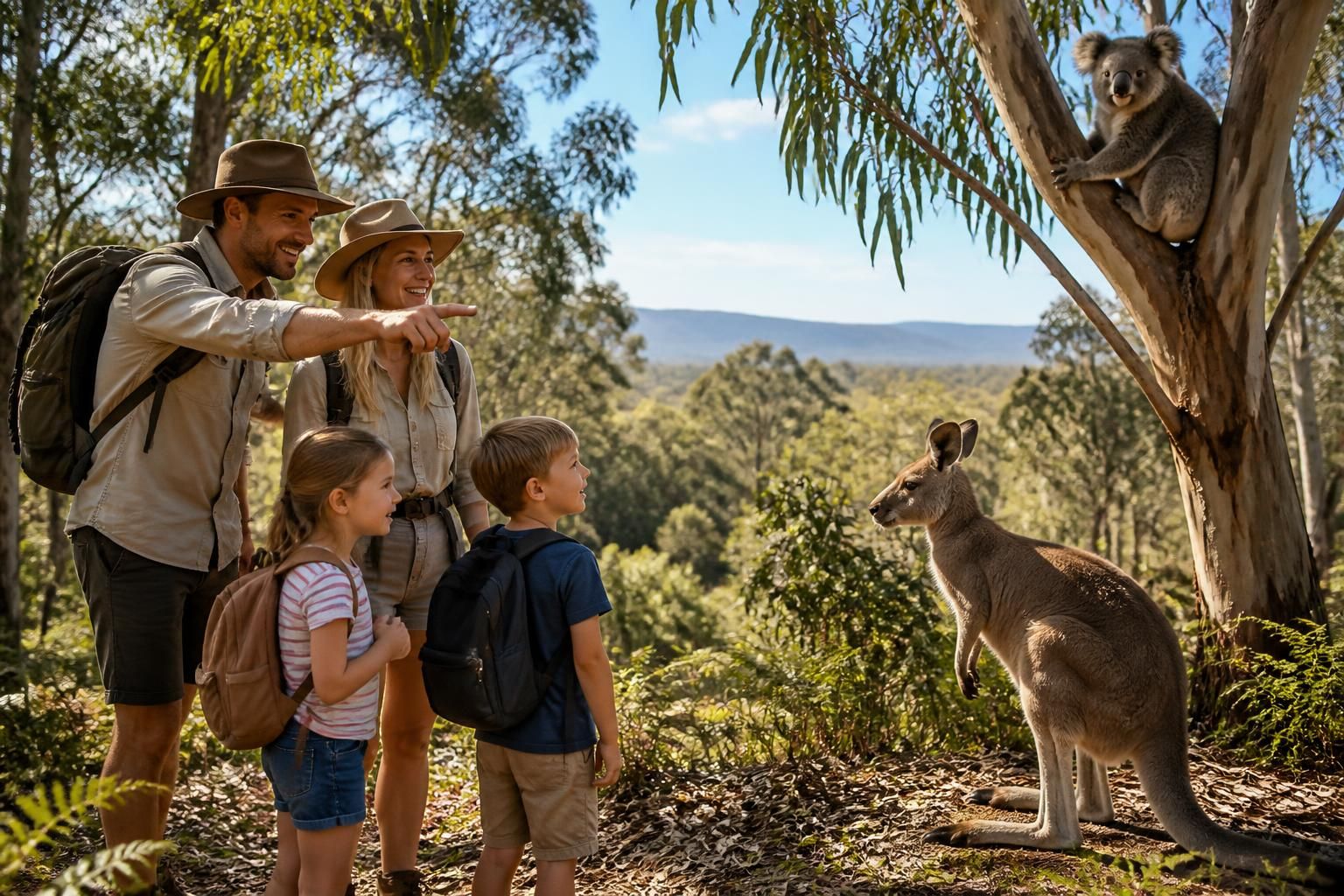
Nature walks in Australia serve as a remarkable introduction for children into the country’s unique biodiversity. These immersive adventures enable kids to encounter marsupials, birds, and reptiles thriving in their natural surroundings while developing skills in observation and ecological awareness. Australian wildlife fascinates young explorers, who find endless delight in spotting kangaroos bounding through open fields or hearing the unmistakable laughter of kookaburras ringing through the trees.
Kangaroos and Wallabies: These emblematic marsupials dominate many Australian wilderness areas, especially at dawn and dusk. Family nature walks often reveal agile kangaroos or smaller wallabies grazing quietly in eucalyptus forests or national parks like the Blue Mountains. Parents can engage kids by explaining marsupial biology and the kangaroos’ role in Australia’s ecosystems.
Koalas: Observing koalas perched high on gum trees captures children’s attention with their sleepy demeanor and exclusive leaf-based diet. Popular sites include areas along the eastern coastal regions where safe viewing platforms provide family access without disturbing these protected animals. Educational programs often discuss koalas’ sensitivity to habitat changes, highlighting conservation challenges.
Platypus Spotting: The elusive platypus, with its duck-like bill and webbed feet, intrigues children with its unusual anatomy. Nature trails near quiet freshwater streams in eastern Australia offer chances to glimpse this shy mammal early in the morning or at dusk. This experience stimulates conversations about mammals laying eggs and other evolutionary marvels.
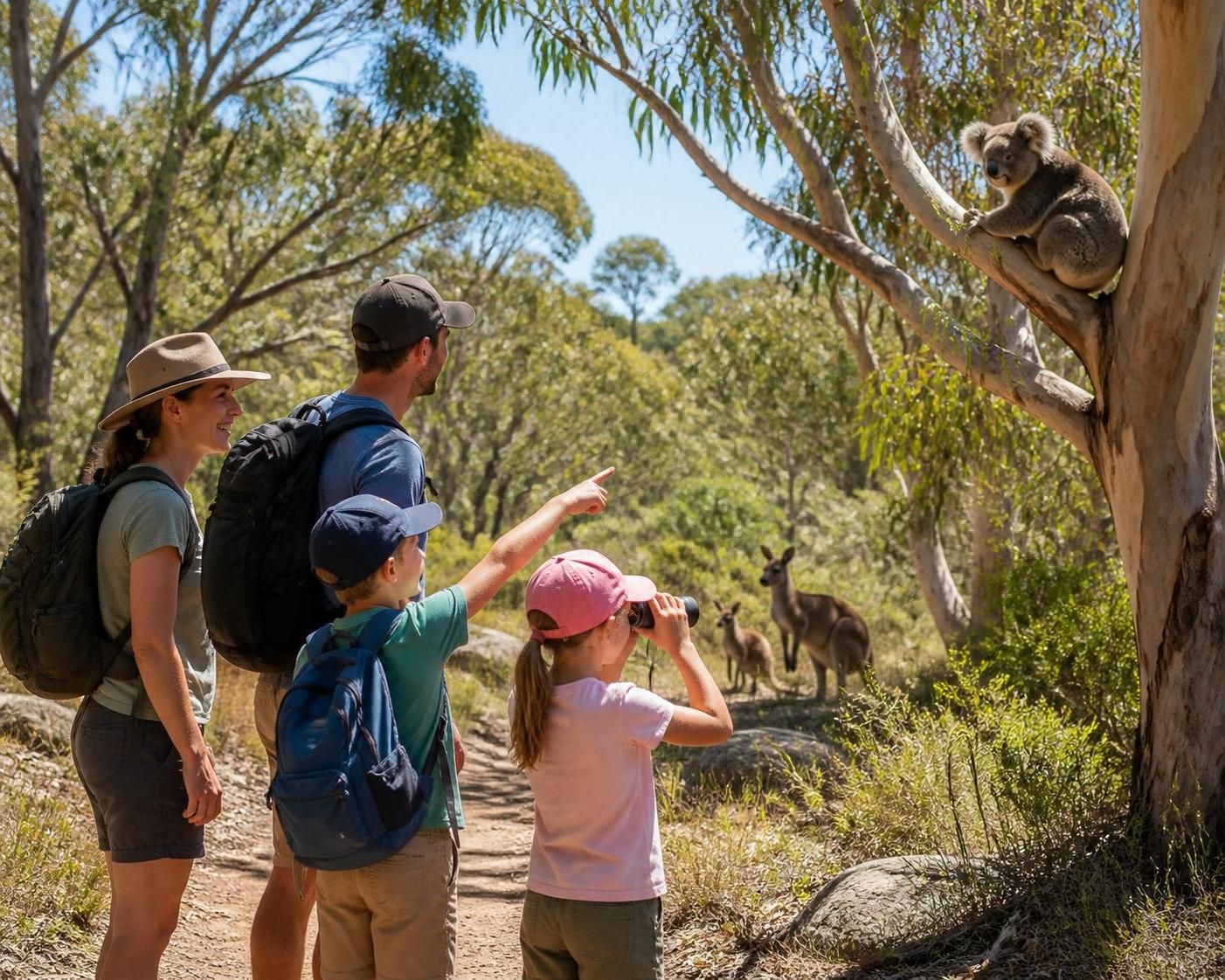
Tree-dwelling possums, emus roaming free, and colourful parrots such as rainbow lorikeets further enrich the family’s outdoor encounters. Australian nature walks promote mindfulness and patience, encouraging kids to move quietly and observe keenly. Parents can turn each walk into a wildlife education opportunity by providing binoculars, field guides, and journaling materials to document findings, thus enhancing kids learning in a fun and interactive way.
By integrating hands-on exploration with storytelling—perhaps weaving myths from Aboriginal culture—families deepen children’s connection to the environment. Families interested in maximizing these benefits can explore expert recommendations on nature-based activities from trusted sources such as Parenting Australia’s guide to outdoor learning. Such initiatives celebrate how outdoor activities boost kids’ confidence, creativity, and sense of wonder, turning every nature walk into a remarkable wildlife education adventure.
Experience the Thrill of Snorkeling with Whale Sharks on Ningaloo Reef
Ningaloo Reef, in Western Australia, ranks among the world’s premier destinations for an unforgettable family encounter with marine giants: the whale sharks. Although the name “shark” can raise apprehension, these gentle creatures are completely harmless, providing an extraordinary experience for children and adults alike. Spanning up to 12 metres, whale sharks are the largest fish in the ocean and their slow, docile nature makes them ideal for snorkelling alongside curious visitors.
Each year, from March to August, Ningaloo Reef becomes a hotspot for aggregating whale sharks. This rare natural phenomenon invites families on eco-friendly tours from both Exmouth and Coral Bay. Such tours promote safe wildlife observation where direct interaction respects animal welfare and environmental sustainability, embodying the spirit of eco tourism. Children gain invaluable lessons about marine biology as they witness filtering behaviors and learn how whale sharks contribute to ocean health.
To participate, kids only need basic swimming skills since snorkelling occurs mostly at the surface. This ensures inclusivity of families with varying adventure preferences, making it accessible for younger children eager for wildlife education in an aquatic setting. The briefings before tours emphasize safety and environmental respect, teaching youngsters the importance of responsible wildlife viewing.
Parents often recount stories from these expeditions about how children’s imaginations are sparked watching the enormous yet peaceful sharks glide past. This closeness to nature fosters empathy and highlights the importance of preserving marine ecosystems—important conservation messages echoed by organizations featured at Australia’s official wildlife site.
Complementing the thrill of whale shark snorkelling, families can explore surrounding coral reefs teeming with tropical fish and vibrant underwater flora. These combined experiences make Ningaloo Reef a top-tier example of how Australian wildlife can captivate kids while supporting conservation through sustainable tourism. The memory of swimming alongside a gentle giant often becomes a treasured highlight of the family’s outdoor activities and wildlife education journeys.
Witnessing the Penguin Parade and Koala Conservation at Phillip Island Nature Parks
Phillip Island Nature Parks in Victoria offers more than picturesque landscapes—it provides families a living classroom for wildlife observation and conservation learning. Home to the world’s largest colony of Little Penguins, the island stages the famous Penguin Parade, where visitors of all ages watch the charming penguins return ashore at dusk to their burrows. This captivating spectacle kindles enthusiasm in kids for outdoor adventure and wildlife education simultaneously.
The nature parks’ integrated conservation strategy supports over 1,800 hectares of protected habitats including beaches, wetlands, and bushland. The proceeds from visitor experiences actively fund research and safeguarding efforts, teaching families about eco tourism’s role in sustaining Australia’s iconic species. Moreover, the parks host several attractions beyond the penguins, such as the Koala Conservation Reserve where children learn about koala biology and habitat protection.
Around Phillip Island, families enjoy multiple engaging wildlife activities. These include guided seal cruises along the coast to observe one of the largest Australian fur seal colonies at Seal Rocks. Children marvel at these playful marine mammals, deepening their understanding of coastal ecosystems and animal behavior. Churchill Island nearby provides a historical farming backdrop blending cultural heritage with natural exploration for all ages.
Educational programs at Phillip Island emphasize personal responsibility towards wildlife and promote respect for animal welfare. Kids participate in interactive activities that explain the effects of habitat loss and climate change on local populations. These immersive experiences transform casual visits into profound ecological lessons inspiring lifelong commitment to conservation.
By choosing Phillip Island Nature Parks, families support ongoing research and habitat rehabilitation, demonstrating how meaningful tourism fosters conservation impact. For more family-friendly wildlife activities, the resource Family Days Out’s guide to amazing wildlife experiences offers excellent additional tips on enjoying Australian nature responsibly with kids.
Exploring Kangaroo Island: A Sanctuary for Native Australian Wildlife
Kangaroo Island, off the coast of South Australia, represents one of the country’s most pristine and wildlife-rich regions. Often described as a natural sanctuary, it hosts extensive protected areas including national parks, conservation parks, and wilderness zones that safeguard an abundance of native species from koalas and kangaroos to rare birdlife. This unspoiled environment offers families a genuine wildlife exploration experience embedded in stunning landscapes.
On land, children discover friendly kangaroo mobs lounging in sunlit clearings and tree-climbing koalas resting quietly above. Walking trails through Hanson Bay Wildlife Sanctuary reveal echidnas and wallabies, inviting kids into the secret lives of Australia’s mammals. Guided tours provide added depth with anecdotes from wildlife rangers about individual animals and biodiversity importance.
Along the coastline, visitors explore Seal Bay, where a boardwalk allows respectful observation of one of Australia’s largest sea lion colonies. This close-up encounter engages kids with marine mammal behavior and conservation challenges faced by these charismatic creatures. Beyond wildlife, the island’s local produce and scenic wineries create a wholesome experience for the entire family emphasizing regional culture alongside nature.
Given Kangaroo Island’s remoteness, preparations for wildlife viewing are key, but tours often include personalized guidance ensuring reliable sightings and safe interactions. Conservation efforts here focus on maintaining habitats and supporting population recovery from events like devastating wildfires, highlighting how families can witness effective environmental restoration in action.
Kangaroo Island’s diverse ecosystems provide a valuable outdoor classroom that stimulates kids learning through direct contact and storytelling. The blend of scenic beauty, abundant wildlife, and cultural richness makes it an unparalleled destination for family adventure seekers wanting to understand Australia’s natural heritage firsthand.
Dive into Kakadu National Park: Culture and Crocodiles for Kids
Kakadu National Park in the Northern Territory blends extraordinary wildlife with ancient Indigenous culture, offering families a unique dual experience. This UNESCO World Heritage site encompasses vast wetlands, escarpments, and billabongs, where children can spot iconic animals such as the famed saltwater crocodile while learning about one of the world’s oldest continuous cultures through rock art and stories.
Wildlife diversity in Kakadu is impressive, featuring over 1,700 plant species and nearly a third of Australia’s bird species. Young explorers spot wallabies, quolls, and bandicoots alongside reptiles like goannas and frilled-neck lizards. Boat tours on wetlands provide chances to safely view crocodiles, emphasizing respect and caution when engaging with such powerful predators. Educational ranger-led programs enrich kids’ understanding of ecological balance and species protection.
Alongside the fascinating fauna, the park’s Indigenous heritage layers richness into the visit. Aboriginal guides offer storytelling that connects cultural traditions to natural landscapes, showing how wildlife and environment are intertwined within local belief systems. This integrated approach helps families appreciate the relationship between people and nature, underscoring conservation’s cultural dimension.
Family adventures in Kakadu offer outdoor activities including hikes, birdwatching, and camping. Seasonal visits each bring new facets: the wet season showcases lush vistas and waterfalls, while the dry season delivers optimal wildlife spotting. Planning carefully ensures safety and access, allowing kids to absorb ecological lessons and cultural history comfortably during their exploration.
Exploring the Outback: Camel Rides and Wildlife at Uluru
The iconic Uluru region in the Northern Territory provides an extraordinary backdrop to experience wildlife differently, including Australia’s surprising camel population. Introduced in the 19th century for desert transport, these camels now roam freely in the Outback, creating unique family adventure opportunities such as camel rides through sand dunes near Uluru and Kata Tjuta.
Uluru Camel Tours offers a range of family-friendly excursions where children can learn about camels’ role in Australian history while enjoying panoramic desert scenery. These tours combine wildlife observation with cultural storytelling about the Afghan cameleers who helped open the Outback, enriching kids’ perspectives beyond just the animals themselves.
Beyond camels, the Uluru region hosts fascinating native species adapted to arid conditions. Spotting wildlife such as perentie lizards, thorny devils, and small reptiles offers insight into survival in harsh environments. Guided outings increase chances of encounters while fostering respect for fragile habitats.
Including such unique landscapes and animals in your family’s wildlife exploration broadens children’s understanding of Australia’s ecological diversity. The blend of cultural heritage, history, and wildlife ensures a multifaceted, engaging experience that encourages curiosity and responsible interaction with nature.
Top 5 Practical Tips for Families Exploring Australian Wildlife
- Plan child-friendly routes: Choose destinations with accessible trails, facilities, and ranger programs suited for kids’ energy levels and interests.
- Bring essential gear: Stock up on sun protection, binoculars, water, snacks, and wildlife guidebooks to enhance observation and comfort.
- Encourage responsible viewing: Teach children to respect animals’ space and habitats, avoiding feeding or chasing wildlife.
- Involve kids in preparation: Before trips, explore books or videos on Australian species to spark anticipation and encourage active learning.
- Support conservation efforts: Participate in park activities or donate to wildlife organizations to demonstrate stewardship values in action.
| Wildlife Encounter | Location | Season/Timing | Family Tip |
|---|---|---|---|
| Whale Sharks Snorkelling | Ningaloo Reef, WA | March – August | Ensure kids are confident swimmers for surface snorkelling |
| Penguin Parade | Phillip Island, VIC | Year-round | Bring warm clothes and arrive early for best viewing |
| Kangaroo and Koala Watching | Kangaroo Island, SA | All year | Book guided tours for optimal sightings |
| Crocodile Viewing | Kakadu National Park, NT | Dry season (June – Sep) | Participate in ranger-led safety briefings |
| Camel Rides | Uluru, NT | Year-round | Choose tours suited to child age and mobility |
Essential Guidelines to Ensure Safe and Respectful Wildlife Experiences
When adventuring in Australia’s wild spaces with children, prioritizing safety and respect for animals and their habitats is crucial. Families should model and teach these principles to ensure every encounter is positive and sustainable. Keeping a safe distance avoids stressing wildlife, while remaining on marked paths protects fragile plants and minimizes human impact.
Quiet observation increases chances to see shy species and teaches kids patience and mindfulness during outdoor activities. Avoid feeding animals as it can harm their health and alter natural behavior. Using red filters on flashlights for nighttime spotlights helps minimize disruption to nocturnal animals, an engaging way for families to learn about animal behaviors.
Understanding and abiding by local park regulations, signage, and ranger instructions safeguards everyone and preserves ecosystems. Encouraging children to view wildlife as sentient beings deserving of dignity nurtures empathy and responsibility, key attitudes for future conservation advocates. This respectful approach transforms family wildlife adventures into deeply fulfilling experiences with lasting educational value.
How to Create Lasting Family Memories Through Australian Outdoor Wildlife Education
Immersing in Australian wildlife not only offers thrilling encounters but also creates powerful family bonds through shared discovery. Incorporating journals or wildlife checklists engages children’s minds and encourages reflective learning. Storytelling sessions around campfires or in visitor centres help families synthesize experiences into meaningful narratives that deepen connection to nature.
Celebrating milestones like first kangaroo sightings with small rewards or photos motivates kids and builds lasting enthusiasm for outdoor activities. Sharing findings and conservation actions taken during trips supports a sense of contribution and pride. These strategies elevate excursions from simple sightseeing to transformative family adventures that inspire ongoing curiosity.
Families also build traditions by returning to favourite wildlife spots or exploring new regions together over time, reinforcing outdoor values across generations. Engaging children in citizen science projects or local conservation efforts post-trip sustains involvement with wildlife and builds community awareness. Australia’s wild spaces offer unparalleled opportunity to blend recreation, education, and stewardship in family adventures destined to leave lasting impressions.
What is the best time of year to see whale sharks with kids in Australia?
The whale shark season at Ningaloo Reef primarily runs from March to August, with occasional sightings extending into September or October. This period offers optimal conditions for families to snorkel safely alongside these gentle giants.
Are Australian wildlife experiences suitable for young children?
Yes, many wildlife experiences in Australia are designed for families with children of various ages. Activities often include guided tours, nature walks, and educational programs tailored to engage kids safely and meaningfully.
How can families contribute to wildlife conservation while travelling?
Families can support wildlife conservation by visiting accredited parks and sanctuaries, participating in educational programs, adhering to responsible tourism practices, and contributing through donations or volunteering in local conservation initiatives.
What should families pack for a wildlife adventure in Australia?
Essential items include sun protection, comfortable clothing, water, binoculars, cameras, appropriate footwear, and educational guides or checklists to enhance wildlife viewing and learning experiences.
Are there any cultural aspects tied to Australian wildlife exploration for kids?
Yes, many wildlife sites incorporate Indigenous culture and heritage, offering families opportunities to learn about Aboriginal connections to the land and animal species, enriching wildlife education with cultural significance.